
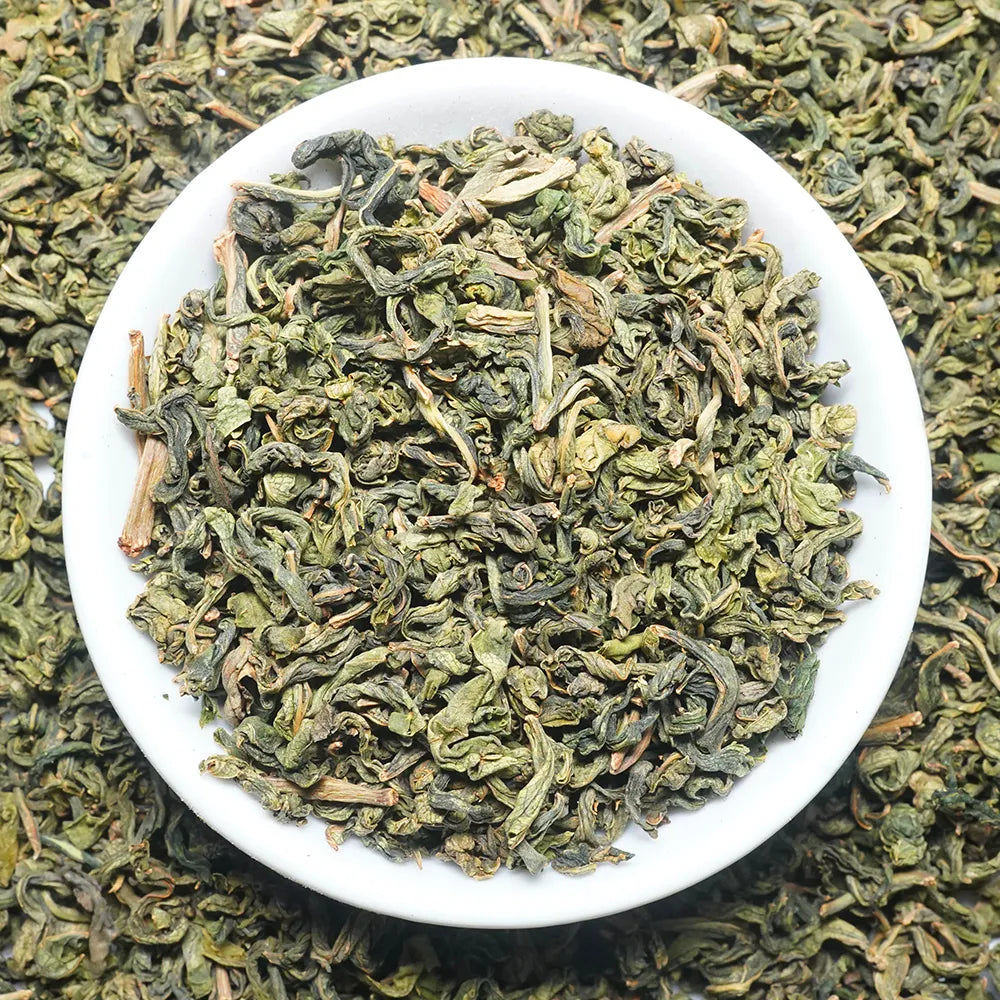
Discovering Ashitaba Leaf Tea in Your Daily Cup
Ashitaba leaf tea can be a grounded, everyday kind of herbal tea in your own kitchen. Fresh, green, and a little earthy, it has been sipped in Japan for generations and is now quietly slipping into Australian tea cupboards alongside black tea, green tea and other favourite herbal tea blends.
Ashitaba is a leafy green plant from the same family as celery and parsley. The name is often translated as "tomorrow’s leaf", a nod to how quickly the plant regrows after being picked. If you enjoy a wellness focus, you may be drawn to ashitaba because it feels like a simple, drinkable way to bring a leafy green into your daily ritual, without turning things into a complicated health regime.
On your own tea shelf at home, ashitaba can sit comfortably next to your English breakfast, sencha and go‑to herbal tea favourites. You might reach for it as:
- A lighter alternative to black tea after dinner
- A change of pace from stronger green teas
- A gentle, low‑caffeine cup when you want something soothing
At Tea Life, we specialise in loose leaf teas, including herbal blends that support a relaxed, mindful lifestyle. Ashitaba leaf tea is one of the many options you can enjoy if you like building a thoughtful daily ritual around the kettle. With nationwide delivery outlined in our shipping information, it’s easy for you to keep your tea tin topped up, whether you’re in a coastal town or tucked away inland.
Gentle Benefits You May Look for in Ashitaba Tea
In Japan, ashitaba tea is traditionally enjoyed as a daily tonic, sipped steadily rather than used as a quick fix. Many people like to weave it into a balanced lifestyle that already includes good food, regular movement and enough rest.
From a gentle wellness point of view, ashitaba tea is often enjoyed because it:
- May support everyday digestion when sipped after meals
- May offer a pleasant way to support natural vitality and general wellbeing
- Can be a calming, caffeine‑free or low‑caffeine option in the evening
These qualities line up neatly with common Australian routines. If you have long workdays, office air conditioning and a commute tacked on either end, a quiet herbal tea break can feel like a small reset. After heavier meals, a fresh, green cup may feel more comfortable than another coffee. On cooler winter nights, a warm mug of herbal tea can be a simple way to unwind.
You can think of ashitaba as a steady companion rather than a magic solution. The beauty of this leaf lies in showing up in your mug day after day.
Your everyday uses might look like this:
|
Everyday Benefit |
When to Enjoy |
|
Gentle digestive support |
After lunch or dinner |
|
Natural-feeling vitality |
Mid-morning or mid-afternoon at work |
|
Calming evening ritual |
Cosy winter nights or before bed |
|
Break from caffeine |
Any time you want to ease back from coffee |
On a typical day, you might enjoy a cup with breakfast as a gentler start, another after lunch to help you pause between tasks, and a final soothing brew in the evening to signal that it’s time to slow down.
Flavour Notes and How Ashitaba Compares to Other Herbal Teas
Ashitaba leaf tea has a flavour that feels very "green" in the best possible way. When you sip it, you might notice:
- Fresh, leafy notes
- A gentle, pleasant bitterness
- Hints of parsley or celery
- A clean finish that can cut through richer foods
If you already know your favourite herbal tea flavours, it can help to place ashitaba on that mental map.
Compared with a few familiar options from Tea Life:
- Versus chamomile, ashitaba is less floral and more leafy, so it may feel cleaner and less sweet.
- Versus peppermint, ashitaba is not cooling or minty; it has more of a garden‑herb character.
- Versus green tea, ashitaba has a similar freshness, but green tea usually comes with more caffeine and sometimes a stronger astringency.
This quick table can help you pick your next cup:
|
If You Enjoy |
You Might Like Ashitaba Because |
|
Chamomile |
You like gentle herbal tea and may enjoy a greener, less floral option in the evening. |
|
Peppermint |
You appreciate a clean finish after meals and might welcome a non-minty, fresh alternative. |
|
Green tea |
You are used to a fresh, slightly bitter cup but want something that may be lighter in caffeine. |
In terms of food pairings, ashitaba is very flexible. You can enjoy it:
- With a light salad at lunch on a hot summer day
- Alongside a hearty winter soup or veggie stew
- Blended with native notes like lemon myrtle for a bushland‑inspired cup at home
If you like experimenting, you can build your own blends and keep your favourites in dedicated teapots or mugs from our tea cups and teapots collection. It’s a lovely way to make your tea shelf feel personal and uniquely Australian.
Brewing the Perfect Cup of Ashitaba Leaf Tea
Ashitaba is easy to brew, especially in loose leaf form. A simple starting method for your everyday cup is:
- Use 1 teaspoon of loose leaf per standard cup
- Heat fresh water to just below boiling, around the point it has a gentle roll
- Steep for 3 to 5 minutes, then taste and adjust
You can customise the flavour:
- Shorter steeping, closer to 3 minutes, for a milder, softer cup
- Longer steeping, up to around 6 minutes, if you enjoy stronger herbal notes
Here is a quick brewing guide:
|
Teaspoon per Cup |
Water Temperature |
Steep Time |
Flavour Result |
|
1 level tsp |
Just below boiling |
3 minutes |
Light, gentle, very easy to sip |
|
1 level tsp |
Just below boiling |
4 to 5 minutes |
Balanced, fuller herbal character |
|
1 heaped tsp |
Just below boiling |
5 to 6 minutes |
Strong, earthy and bold |
Seasonally, ashitaba adapts well to Australian weather:
- In winter, drink it hot, maybe with a blanket and a book, to settle into the evening.
- In summer, brew a stronger pot, cool it in the fridge and pour over ice with a slice of lemon or a sprig of mint for a refreshing iced herbal tea.
If you are new to loose leaf tea, simple infusers and reusable filters make the process easy and low waste. You’ll quickly find a routine that suits your mornings and evenings. We share more brewing tips in the Tea Life blog and support regular tea drinkers with our Tea Miles rewards program.
Bringing Ashitaba Into Your Australian Tea Ritual
Ashitaba fits seamlessly into a typical Australian day. You might use it:
- In the morning, as a gentler start if you are easing back from multiple coffees
- Mid‑afternoon, as a steadying cup for focus without extra jitters
- In the evening, after dinner or before bed, as a soothing herbal tea when you want to unwind
Simple rituals can make each cup feel more grounding:
- Taking a five‑minute tea break away from screens to actually taste your drink
- Pairing your cup with a few stretches on the lounge room floor or a short stroll around the block
- Setting up a cosy corner at home for your nightly cuppa, with a favourite chair and soft lighting
If you enjoy blending, ashitaba plays well with other herbal teas:
- Ashitaba with lemon myrtle or lemongrass for a bright, zesty daytime cup
- Ashitaba with chamomile for a more relaxing evening brew
- Ashitaba with spearmint or peppermint after heavier meals for a refreshing finish
Within the Tea Life store, you’ll find ashitaba sitting naturally among wellness and digestion‑friendly herbal tea options, so you can shape a routine that feels right across the seasons. You can also explore Australian native flavours, like lemon myrtle and other bushland botanicals, to create a uniquely local tea line‑up on your bench.
Choosing Quality Ashitaba Tea with Tea Life Australia
Not all ashitaba leaf tea is the same, so it helps to know what to look for when you’re stocking your tea cupboard:
- Loose leaf rather than dusty bags, so you can actually see the leaves
- A fresh aroma and a natural green colour
- Minimal additives or flavourings, so the true plant character shines through
At Tea Life, we focus on carefully selected ingredients and a wellness‑centred loose leaf range that lets you explore different herbal tea characters at your own pace. Being based in Australia means you get local support and shipping that suits our climate and lifestyle, whether you live near the coast or further inland.
Within our broader herbal tea collection, ashitaba sits alongside other green, earthy options you might reach for when you want:
- Supportive everyday digestion blends
- Light, leafy flavours instead of heavily spiced cups
- A simple, grounding ritual around the kettle
You can start with a single tin of ashitaba as a comforting addition to your daily tea routine, then gradually add a few complementary blends that match your mornings, afternoons and evenings. When you’re ready to explore further, you can see what feels like your next favourite cup.
Discover Herbal Blends That Fit Your Daily Ritual
If you are ready to make your tea breaks more nourishing, explore our carefully selected range of herbal tea designed for everyday enjoyment. At Tea Life™, we focus on quality ingredients so you can relax knowing what is in your cup. Take a moment to browse the blends that suit your taste, and if you have any questions about choosing the right tea, feel free to contact us.
Share:
Ashitaba Leaf Tea at Tea Life: Your New Longevity Ritual
Ashitaba Leaf Tea at Tea Life: Your New Longevity Ritual