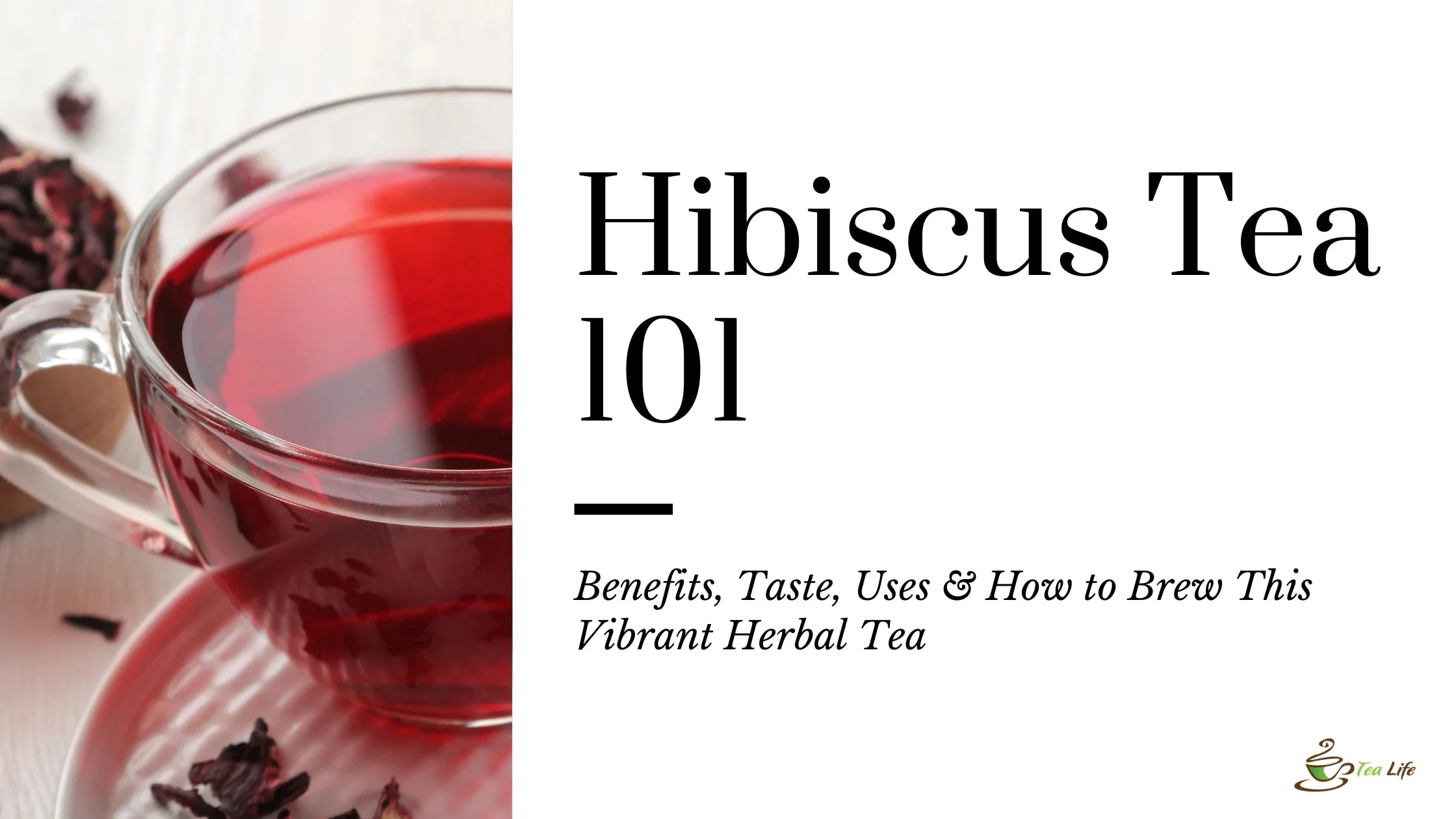
Consider this blog Hibiscus tea 101! We’re going to take a little look at everything surrounding hibiscus tea, including benefits, taste, uses, and how to brew the perfect cup of this fantastic tea.
Enjoyed both hot and iced, hibiscus offers a naturally caffeine-free alternative to traditional tea, making it suitable for any time of day. Whether you're looking for a refreshing summer drink or a fruity herbal tea during winter, hibiscus is a wonderfully versatile addition to your tea collection.
Let’s jump in!
What Is Hibiscus Tea?
Hibiscus Tea is made from the dried calyces (the outer part of the flower) of the Hibiscus sabdariffa plant.
Once steeped, those beautiful, deep crimson petals produce a beautifully coloured infusion with a naturally tangy, berry-like flavour, which is one of the main reasons it is so incredibly popular with our customers.
Unlike black or green tea, hibiscus contains no caffeine, making it a popular choice for those seeking a refreshing herbal beverage throughout the day or evening.
What Does Hibiscus Tea Taste Like?
Our customers have described the taste as smooth, fruity, and delicious, but it can really be described in a few different ways.
Some of the most popular things people have told us about the taste of hibiscus tea include:
-
Bright and refreshing
-
Tart, similar to cranberry
-
Slightly fruity
-
Naturally floral
-
Clean and crisp
But honestly, as a base for other beverages, hibiscus tea has this distinct acidity that works incredibly well for iced teas or hot blends of fruit teas. If you regularly reach for berry, fruity, or citrusy drinks, then hibiscus is probably going to become your new favourite tea!
Why Is Hibiscus Tea So Popular?
Across different parts of the world, hibiscus tea has been popular for centuries, and it’s not just because of its great taste, although that certainly helps!
Naturally Caffeine-Free
So we’ve repeatedly used the term tea to describe hibiscus tea, but technically, it’s a floral infusion as we’re making tea from petals of a flower instead of tea leaves. It’s because of this that the blend contains no caffeine, making it wonderful for all times of day.
Beautiful Natural Colour
Not many things have such a deep colour naturally. Hibiscus can actually be used to create things like natural food colourings and even organic hundreds and thousands, which is why so many mums have some stashed away for birthdays to avoid filling their kids with artificial flavourings.
Refreshing Flavour
In Australia, thousands of us reach for a nice cold glass of iced hibiscus tea in the summer, but a surprisingly large number of those customers continue sipping on a warm mug of hibiscus tea well into winter. It’s tasty, refreshing, and incredibly easy to drink.
Highly Versatile
Hibiscus is much like chamomile tea in the sense that you should always have some on hand. You can combine it with sparkling water for a handy alternative to fizzy drinks or mix it with alcohol for a fun cocktail base.
Traditional Uses of Hibiscus
We mentioned earlier that hibiscus tea has been enjoyed across the globe for centuries, but how have people used hibiscus tea? Well, here are some of the traditional uses for hibiscus tea:
-
Agua de Jamaica (Mexico)
-
Karkade (Egypt)
-
Bissap (West Africa)
These days, there is research being done into whether or not hibiscus tea has any impact on your cardiovascular health and antioxidant activity. Of course, more research must be done, but it’s interesting to consider the uses of tea within traditional medicine.
How to Brew Hibiscus Tea
Ready to brew the perfect mug of hibiscus tea?
You'll need:
-
1–2 teaspoons Hibiscus Tea
-
250ml freshly boiled water
Method
-
Add the hibiscus to your infuser or teapot.
-
Pour over freshly boiled water.
-
Steep for 5–10 minutes.
-
Remove the tea leaves.
-
Enjoy hot or allow to cool before serving over ice.
For a stronger fruit flavour, brew a little longer.

Frequently Asked Questions
We get sent so many questions about hibiscus tea. Let’s answer some now!
Is Hibiscus Tea caffeinated?
No. Hibiscus Tea is naturally caffeine-free.
Can I drink Hibiscus Tea hot or cold?
Yes. Hibiscus is delicious served both hot and iced.
When is the best time to drink Hibiscus Tea?
Because it contains no caffeine, hibiscus can be enjoyed throughout the day, including in the evening.
Does Hibiscus Tea contain antioxidants?
Hibiscus naturally contains plant compounds known as polyphenols and anthocyanins, which contribute to its vibrant red colour. Researchers continue to study these compounds and their potential role in supporting overall health.
Is Hibiscus Tea suitable for everyday drinking?
Many people enjoy hibiscus regularly as part of a balanced diet. If you are pregnant, breastfeeding, have low blood pressure, or take prescription medications, it's always best to consult your healthcare professional before making significant changes to your diet or herbal tea intake.
Shop Hibiscus Tea Today
Explore hibiscus tea and see if you have a new favourite blend here at Tea Life. Whilst you’re shopping, don’t forget to sign up to our Tea Miles program so you can earn points as you spend!
Share:
Matcha Meets Indulgence: Discover Tea Life's Matcha Vanilla & Matcha Strawberry Tea Lattes
Seasonal Herbal Tea Swaps for Australian Winter Wellness