
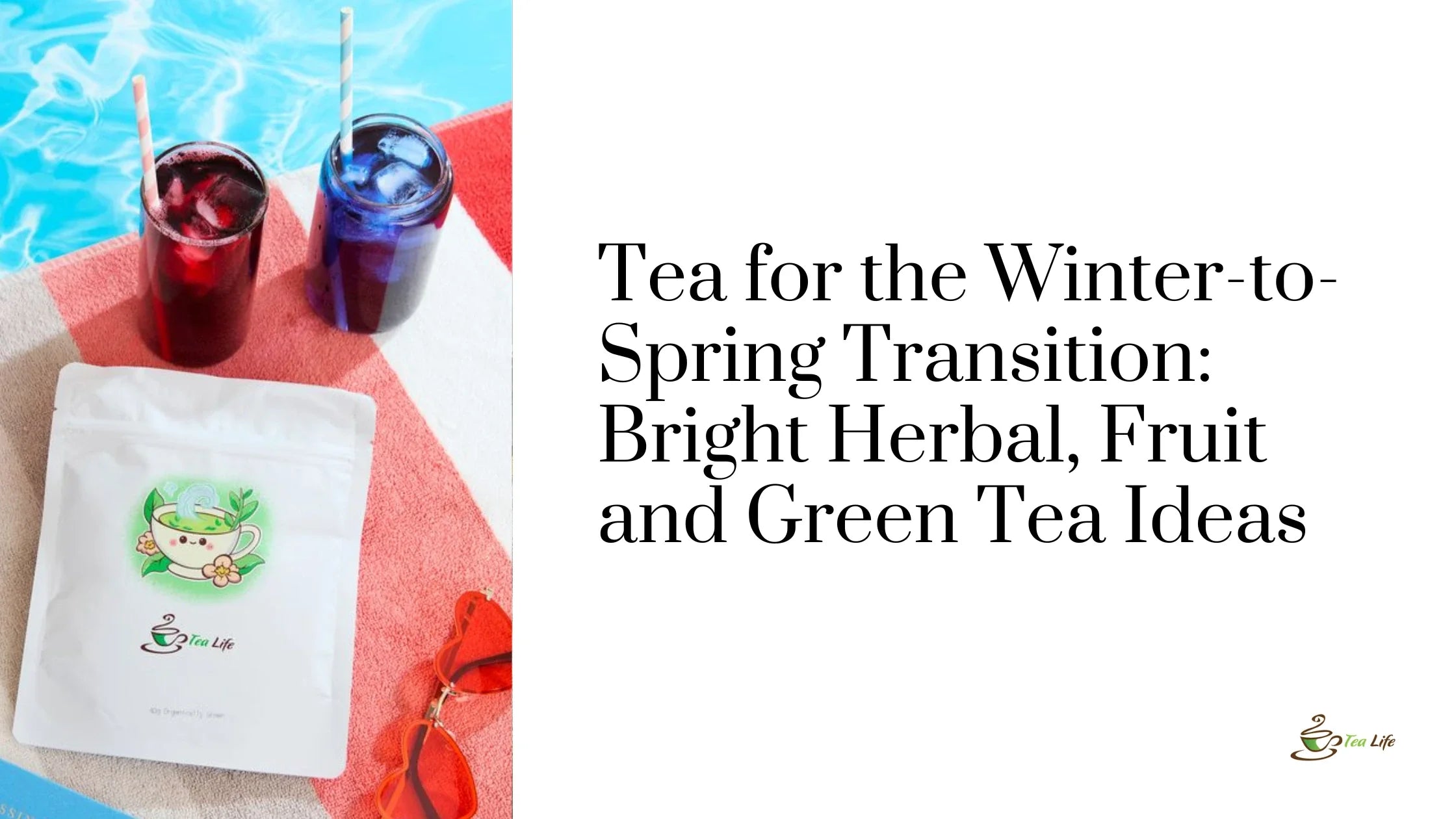
As winter starts to give way to spring, tea preferences can change with the weather.
The rich, warming drinks that suit cold winter mornings can give way to lighter, brighter flavours as the days become longer and temperatures begin to rise. This makes the transition into spring a good time to explore herbal teas, fruit infusions, green teas and colourful botanicals that can be enjoyed hot, iced or cold brewed.
Tea does not need to be limited to one season or one brewing method. A tea cupboard with a mix of flavours can give you options for different times of day and different weather.
Here are some ideas to help make the transition from winter to spring.
Why Choose Lighter Teas for Spring?
Winter is often associated with warming spices, rich chai and heavier flavours. Spring opens up more opportunities for fresh, fruity and floral profiles.
Some teas to consider as the seasons change include:
-
Hibiscus
-
Fruit teas
-
Blue Butterfly Peaflower
-
Blue Lotus Flower
-
Green Tea
-
Decaffeinated tea
-
Naturally caffeine-free herbal teas
These categories offer a wide range of flavour profiles, from tart and fruity to floral, grassy and refreshing.
They can also be prepared in different ways. A hot cup can still be ideal on a cool spring morning, while iced tea and cold brew become useful as temperatures rise.
Hibiscus Tea for a Bright, Tart Flavour
Hibiscus is a natural choice when you want a tea with a bold flavour without relying on traditional black tea.
Hibiscus infusions have a naturally tart, fruity character and a deep red colour. The flavour works particularly well when served chilled.
Try Hibiscus Iced Tea
To make a simple iced Hibiscus tea:
-
Add Hibiscus tea to a heatproof jug.
-
Pour over freshly boiled water.
-
Allow the tea to steep according to the product instructions.
-
Remove the tea and allow the infusion to cool.
-
Add ice.
-
Serve with fresh citrus or fruit if desired.
For a sweeter drink, add a small amount of honey or your preferred sweetener while the tea is still warm.

Fruit Teas for Spring
Fruit teas are another easy way to introduce brighter flavours into your tea routine.
Fruit infusions can be enjoyed hot, but they are particularly suited to iced tea. Depending on the blend, you may find notes ranging from berries and citrus to tropical or stone fruit.
They are also useful when you're making drinks for more than one person because you can brew a larger batch and refrigerate it.
Easy Fruit Tea Iced Infusion
Brew your favourite fruit tea using hot water, then allow it to cool before refrigerating.
For a simple spring drink, serve over ice with:
-
Fresh berries
-
Orange or lemon slices
-
Mint
-
Sparkling water
You can also make a stronger tea concentrate and dilute it with cold water or sparkling water before serving.
This turns a simple fruit infusion into a more substantial afternoon drink.
Blue Butterfly Peaflower for Colourful Drinks
Blue Butterfly Peaflower is particularly interesting for spring because of its naturally vibrant colour.
The brewed tea produces a striking blue infusion. Add an acidic ingredient such as lemon or lime and the colour can change towards purple.
That makes it particularly well suited to iced drinks, layered beverages and recipes designed for social media.
Blue Butterfly Peaflower Iced Tea
Try brewing the tea, allowing it to cool and serving it over plenty of ice.
For a simple colour-changing drink:
-
Brew Blue Butterfly Peaflower tea.
-
Allow it to cool.
-
Fill a glass with ice.
-
Pour over the tea.
-
Add lemon or lime gradually.
-
Watch the colour change as the acidity is introduced.
For a different presentation, serve the citrus separately and allow guests to add it themselves.

Blue Lotus for a Floral Spring Cup
Blue Lotus Flower Tea offers a delicate floral alternative to fruit and herbal infusions.
Its flavour profile makes it suitable for a simple hot infusion, but it can also be used as the basis for chilled botanical drinks.
If you are moving away from heavier winter flavours but still want something distinctive, Blue Lotus is worth exploring.
Try It Iced
Brew Blue Lotus according to the product instructions and allow it to cool.
Serve over ice with a slice of lemon or another citrus garnish for a simple floral iced tea.
You can also combine it with other complementary botanicals to create your own spring blend.
Green Tea for a Fresh, Traditional Option
Green tea provides a different direction for the winter-to-spring transition.
Its flavour can range from light and grassy to more rounded and vegetal, depending on the variety and processing method.
Green tea is also versatile enough to work as both a hot drink and an iced tea.
How to Make Iced Green Tea
The most important thing is to avoid using excessively hot water or over-steeping the tea, as this can result in a more bitter cup.
Instead:
-
Use water at the temperature recommended for your particular green tea.
-
Steep for the recommended time.
-
Remove the leaves.
-
Allow the tea to cool.
-
Pour over ice.
You can add lemon, mint, cucumber or fresh fruit for a lighter spring drink.
For an even gentler approach, try cold brewing.

Cold-Brew Tea for Warmer Days
Cold brewing is particularly useful as spring approaches because it produces a refreshing drink without requiring you to prepare a hot infusion first.
The process is simple.
Add your chosen tea to cold water and place it in the refrigerator. Allow it to infuse for several hours, then strain and serve.
Cold brewing can work particularly well with:
-
Fruit teas
-
Hibiscus
-
Green tea
-
Selected herbal teas
-
Blue Butterfly Peaflower
A Simple Cold-Brew Method
Use a suitable amount of tea for the volume of water you're preparing.
Combine the tea and cold water in a sealed jug or bottle and refrigerate for several hours. Check the flavour periodically and strain once it reaches the strength you prefer.
Because different teas and blends vary, there is no single cold-brew time that works for every product. Start with the brewing guidance for the individual tea and adjust according to taste.
Don't Forget Naturally Caffeine-Free Options
Spring does not mean you need to move entirely towards caffeinated teas.
If you prefer to avoid caffeine, there are plenty of options available.
Naturally caffeine-free teas and herbal infusions include products such as:
-
Hibiscus
-
Rooibos
-
Chamomile
-
Blue Lotus
-
Blue Butterfly Peaflower
-
Lemon Balm
-
Selected fruit teas
There are also decaffeinated versions of traditional teas for customers who enjoy familiar tea flavours but want to reduce their caffeine intake.
The important distinction is that naturally caffeine-free herbal and botanical infusions are different from decaffeinated tea. Traditional tea comes from Camellia sinensis and naturally contains caffeine, while herbal infusions are made from other plants and botanicals.
Build a Spring Tea Tasting Flight
One of the easiest ways to explore new teas is to make your own tasting flight.
Choose three or four teas with contrasting flavours.
For example:
Flight 1: Bright and Fruity
-
Hibiscus: Tart and fruity.
-
Fruit Tea: Sweet, colourful and refreshing.
-
Blue Butterfly Peaflower: Floral and visually striking.
Flight 2: Floral Botanicals
-
Blue Lotus: Delicate and floral.
-
Blue Butterfly Peaflower: Light and botanical with a naturally vivid colour.
-
Hibiscus: Tart and fruit-forward.
Flight 3: Traditional & Light
-
Green Tea: Fresh and vegetal.
-
Decaf Green Tea: A familiar green tea option with reduced caffeine.
-
Fruit Tea: A naturally caffeine-free alternative with a brighter flavour profile.
Serve small cups of each tea and compare the aroma, colour, flavour and finish.
This can also be a simple way to work out which teas you prefer hot and which you enjoy more as iced or cold-brew drinks.
Hot, Iced or Cold Brewed?
There is no need to choose one brewing method for the whole season.
Try matching the preparation to the weather and the tea.
|
Tea |
Hot |
Iced |
Cold Brew |
|
Hibiscus |
Yes |
Excellent |
Yes |
|
Fruit Tea |
Yes |
Excellent |
Excellent |
|
Blue Butterfly Peaflower |
Yes |
Excellent |
Yes |
|
Blue Lotus |
Yes |
Yes |
Yes |
|
Green Tea |
Excellent |
Excellent |
Yes |
|
Rooibos |
Excellent |
Yes |
Yes |
|
Decaf Tea |
Excellent |
Yes |
Yes, depending on product |
Always follow the specific brewing instructions supplied with your tea, as recommended temperatures and steeping times can vary.
Getting Ready for Spring
The transition into spring is a good opportunity to look beyond your usual winter favourites.
Try swapping one heavier blend for something lighter. Brew a familiar tea over ice. Experiment with cold brewing. Or choose a botanical you've never tried before.
Tea Life's range gives you plenty of options to explore, from tart Hibiscus and fruity infusions to colourful Blue Butterfly Peaflower, floral Blue Lotus and fresh Green Tea.
Explore Tea Life's Spring-Friendly Teas
As winter fades, your tea ritual can change with it. Keep the kettle ready for cool mornings, but make room in the fridge for iced and cold-brew tea too. Spring is a good time to experiment with brighter flavours, fresh combinations and colourful botanicals.
Share:
Tea Life New Zealand: Why More Kiwis Are Choosing Tea Life for Loose Leaf Tea
Best Teas to Drink in Spring in Australia: A Flavour-First Guide to Fruity, Floral and Naturally Caffeine-Free Cups