
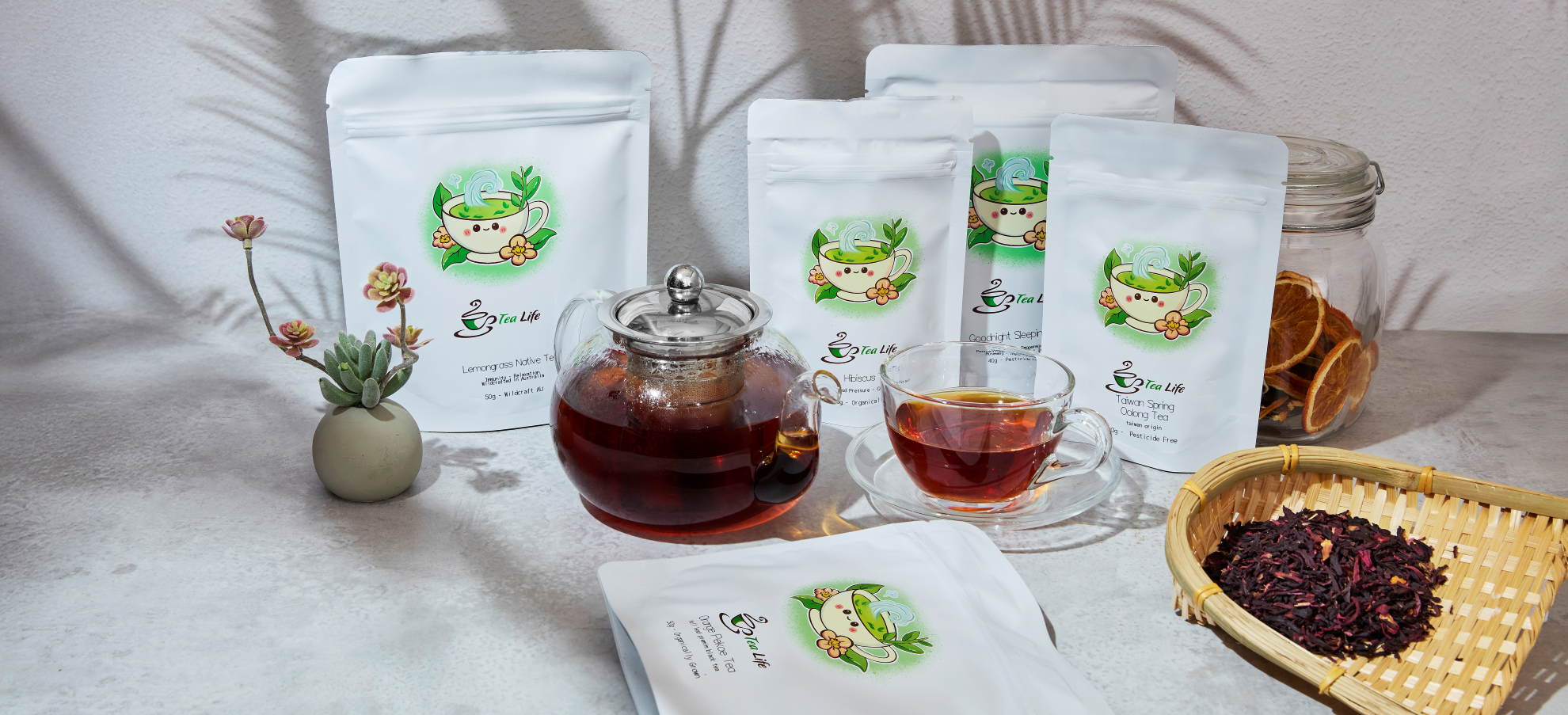
Winter Herbal Tea Rituals for Deeper Sleep and Stronger Immunity
Winter in Australia is the perfect tie to slow down, warm up, and build a simple nighttime tea ritual. A good winter wellness tea will not cure a cold or replace a doctor, but it can support sleep, comfort the throat, and gently back up your immune system as part of a healthy routine. When we mix evidence-backed herbs with calm habits, we get something realistic that feels good and is easy to stick with.
We want to be very clear: herbal tea is not a magic fix, and we are not promising miracle results. What we can offer is honest guidance on ingredients with some research behind them, how to time your cups, and how to build a soothing evening routine without overdoing claims.
Quick Answers: Winter Wellness Tea Essentials
Q: What Are the Best Winter Wellness Tea Ingredients?
1. Echinacea
2. Elderflower and elderberry
3. Ginger
4. Liquorice root
5. Chamomile
6. Lemon balm
7. Passionflower
8. Valerian root
Q: When Should I Drink Immunity and Sleep Blends?
- Immune-focused blends: earlier in the day (morning and afternoon).
- Sleep-focused blends: 60 to 90 minutes before bed.
Q: What Is a Simple Winter Wellness Tea Routine?
1. Limit caffeine after mid-afternoon.
2. Brew a calming herbal tea in the evening.
3. Pair it with a screen-free wind down (reading, stretching, breathing).
At Tea Life, we specialise in loose-leaf herbal and classic teas, freshly packed here in Australia in eco-friendly bags. Quality leaf and freshness matter in winter, when we want full flavour, aroma, and the natural plant compounds that are still present, not herbs that have gone flat in a cupboard for years.
What Makes a Winter Wellness Tea Actually Helpful?
Q: What Is a Winter Wellness Tea?
A winter wellness tea is typically:
- Caffeine-free or very low in caffeine.
- Built around herbs traditionally used for immune, respiratory or sleep support.
- Gentle enough for evening or pre-bedtime use.
Q: Can Tea Really Support Immunity in Winter?
Yes, as support, not as medicine. Some herbs have immune-modulating or mild antimicrobial actions in laboratory and small human studies. Warm liquids can also soothe the throat and help maintain hydration. However, tea does not prevent or cure infections and should sit alongside fundamentals like adequate sleep, movement, and a varied diet.
Q: Are Herbal Teas Different From Classic Teas for Winter Wellness?
Yes. Herbal infusions like chamomile, echinacea and elderflower are made from flowers, leaves, roots and spices and are usually caffeine-free. Classic teas like green and black come from the tea plant and naturally contain caffeine plus antioxidants. Both can contribute to winter wellness, but most people prefer herbal tea at night so caffeine does not delay bedtime.
Q: Why Does Winter Wellness Tea Feel So Comforting?
1. Warmth and Hydration: hot tea takes the chill off and supports hydration when cold air is dry.
2. Routine and Aroma: repeating the same calming smells and steps each night signals to the brain that it is time to wind down.
3. Consistent, Moderate Use: a daily cup or two is more realistic and sustainable than short-term “detox” claims.
Evidence-Backed Ingredients for Immunity and Sleep
Q: Which Herbs Have Some Research for Immune Support?
The evidence is mixed but promising for several well-known herbs:
- Echinacea: often studied for shortening or easing colds, with mixed but encouraging results in some human trials.
- Elderberry and Elderflower: traditionally used for colds and flu; some studies suggest they may support the body’s response when used early.
- Liquorice Root: contains soothing and antimicrobial compounds; strong or long-term use is not suitable for everyone.
- Ginger: warming, supports circulation and digestion, and shows antimicrobial activity in lab tests.
- Astragalus: a traditional immune-support herb, with immune effects mainly studied in animals and lab work.
- Green Tea Catechins: antioxidant-rich, with research suggesting general immune support when used regularly.
Q: Do Vitamin C-Rich Plants in Tea Help in Winter?
Yes, as part of overall intake. Ingredients like rosehip, hibiscus and lemon myrtle can contribute to vitamin C and antioxidant intake, especially when you drink them regularly. They support a broader dietary pattern rather than acting as a stand-alone shield.
Q: Which Herbal Teas Have Some Evidence for Better Sleep?
- Chamomile: commonly used for mild anxiety and sleep, with small human studies showing improved sleep quality in some people.
- Passionflower: may increase calming brain chemicals like GABA and is used for mild worry and restlessness.
- Valerian Root: one of the better studied sleep herbs, with trials suggesting it may help some people fall asleep faster, though results vary.
- Lemon Balm: known for a gentle calming effect and often used in combination with other herbs.
- Lavender and Linden: mainly supported by traditional use and early research for relaxation.
Q: How Strong Is the Evidence for These Herbs?
The evidence is promising but modest. These herbs are best viewed as support for mild sleep difficulties and stress. They work most effectively as part of broader sleep hygiene, including a regular bedtime, low evening light, and reduced screen time.
Helpful Reference Lists
Top Winter Immunity Allies for Tea:
- Echinacea
- Elderflower
- Ginger
- Lemongrass
- Liquorice root
- Astragalus
- Green tea
Top Bedtime Calmers:
- Chamomile
- Lemon balm
- Passionflower
- Valerian root
- Lavender
- Linden
Timing, Caffeine and Safety for Winter Herbal Tea

Q: When Should I Drink Winter Wellness Tea for Sleep?
A practical window is about 60 to 90 minutes before bed. This allows time for the tea to cool, be enjoyed slowly, and for any gentle drowsiness from calming herbs to align with your bedtime. It also allows for a final bathroom visit so you are less likely to wake in the night.
Q: How Many Cups Per Day Are Reasonable?
For most people, 1 to 3 cups of herbal tea spread through the day is sensible. Strong roots like valerian or liquorice are generally best limited to 1 cup daily or used as directed on the product. Always read the directions on the packet and adjust based on how you feel.
Q: Can I Drink Herbal Tea with Medication?
Sometimes, but care is essential. Key points include:
- Valerian can add to the effects of sedatives or sleep medicines.
- Liquorice root in larger amounts can affect blood pressure and potassium.
- St John’s wort, if present in any blend, is known for strong interactions with many medicines.
- Some herbs are not advised with blood thinners, or during pregnancy and breastfeeding.
It is best to check with a GP or pharmacist before starting new herbs if you use medication or have health conditions, especially in Australia where your local healthcare provider understands local practice and regulations.
Q: Is Green Tea Too Stimulating at Night?
For many people, yes. Green and black tea both contain caffeine, which can remain in the body for several hours. A simple plan is:
- Have green or black tea earlier in the day.
- Switch to caffeine-free blends after mid-afternoon for smoother sleep.
Timing Checklist for Winter Wellness Tea:
1. Morning: antioxidant-rich, lightly stimulating teas such as green tea or ginger and lemon.
2. Afternoon: digestion and immune-style blends like peppermint, fennel or echinacea.
3. Evening: caffeine-free calming blends based on chamomile, passionflower and lemon balm.
How to Brew Winter Wellness Tea
Q: How Do I Brew Herbal Tea for Good Flavour and Benefit?
Follow these steps:
1. Use fresh, just-off-the-boil water for most herbs.
2. Add about 1 to 2 teaspoons of loose leaf per cup (around 250 ml).
3. Steep for 5 to 10 minutes; use the longer end for tougher roots like valerian or liquorice if you enjoy a stronger taste.
4. Cover the cup or teapot while it steeps to hold in aromatic oils.
5. Strain and sip when the temperature is comfortable.
Q: Does Loose Leaf Tea Make a Difference?
Usually, yes. Loose-leaf teas often contain larger, more complete pieces of herb, which tend to provide fuller flavour, richer aroma and a more consistent cup. When blends are freshly packed, like ours at Tea Life in Australia, you are less likely to drink herbs that have lost their character and potency over time, something that matters on cold winter nights.
How to Build a Winter Evening Tea Routine
Q: How Can I Turn Winter Wellness Tea Into a Sleep Cue?
You can use tea as part of a structured evening routine:
1. Dim the lights before you put the kettle on.
2. Put phones and laptops away while the tea steeps.
3. Add a gentle stretch, some quiet music, or a few slow breaths as you wait.
4. Sip mindfully, paying attention to warmth and aroma instead of scrolling.
5. Aim to repeat this pattern at roughly the same time each night.
Q: How Long Until I Notice Any Effects?
Some people feel more relaxed after the first cup. For others, it may take several days to a few weeks of regular use to notice easier wind-down or smoother sleep. Keeping a simple note of bedtime, wake time and how rested you feel in the morning can help you see subtle changes.
Q: What Does a Sample Winter Evening Routine Look Like in Australia?
Here is an example micro-routine for a cool Australian evening:
1. 8:00 pm: Finish your last caffeinated drink.
2. 8:30 pm: Brew a caffeine-free winter wellness tea with chamomile, lemon balm and lavender.
3. 8:30, 8:45 pm: Sip slowly with no screens and some light reading or quiet chat.
4. 9:30, 10:00 pm: Head to bed with lights low and the room cool but cosy.
How to Choose Tea Life Blends for Winter Wellness
Q: How Are Tea Life Winter Wellness Teas Categorised?
To make selection easier, Tea Life groups teas by function:
- Category: Immune Support Blends
- Category: Respiratory Comfort Blends
- Category: Everyday Winter Wellness Staples
- Category: Bedtime and Relaxation Blends
Q: Which Tea Life Blends Work Well for Winter Immunity Support?
For winter immune support, you can choose:
- Immune Support Blends: echinacea-based mixes, elderflower and ginger blends, and combinations with lemon myrtle or hibiscus for a bright, warming cup.
- Respiratory Comfort Blends: peppermint and eucalyptus-style blends, plus thyme with liquorice root for a soothing, naturally sweet finish.
- Everyday Winter Wellness Staples: green tea with lemon and ginger, and antioxidant herbal blends that fit into your regular routine.
Q: Which Tea Life Blends Suit Better Sleep and Relaxation?
For nighttime and relaxation, the following profiles are often preferred:
- Bedtime Teas: chamomile-focused blends, often paired with valerian or passionflower for deeper calm and support with sleep onset.
- Stress and Relax Blends: lemon balm, lavender, linden and soft floral notes like rose for a gentle evening unwind.
Q: What If I Want Both Immunity and Sleep Support in Winter?
You can structure your tea choices across the day:
1. Morning: a green or ginger-based winter wellness tea for general antioxidant and circulation support.
2. Afternoon: an immune-leaning echinacea or elderflower blend.
3. Evening: a caffeine-free sleep blend built on chamomile, passionflower and lemon balm.
Because Tea Life is based in Australia, we blend and pack with local winters in mind, from cool mornings to long, crisp nights. Our fresh, loose-leaf teas in eco-friendly bags support not only personal rituals but also a lighter environmental footprint, which many Australians consider part of long-term wellbeing.
Q: How Do I Quickly Pick the Right Tea Life Winter Wellness Tea?
Use this quick pick guide:
- If you often feel run down in winter → choose an Immune-Focused Herbal Blend.
- If you struggle to switch off at night → choose a Chamomile, Passionflower and Lemon Balm Style Sleep Tea.
- If you want an all-rounder → pick a Gentle Winter Wellness Tea with ginger, citrus peel and a few calming herbs you enjoy.
Used with realistic expectations and a simple evening routine, winter herbal tea can become one steady, comforting pillar in your sleep and immune self-care during the Australian winter and beyond.
Support Your Winter Health With Every Cup
Stay on top of seasonal sniffles with our carefully curated winter wellness tea blends, crafted to support your immune system when the temperature drops. At Tea Life™, we select quality ingredients so you can make winter routines a little more soothing and a lot more nourishing. If you have questions about which blend may suit you best, feel free to contact us and we will be happy to help.
Share:
Signs Your Winter Herbal Tea Routine Is Missing Gut Support
Australian Winter Wellness Tea Standards: Evidence-Based Checklist