
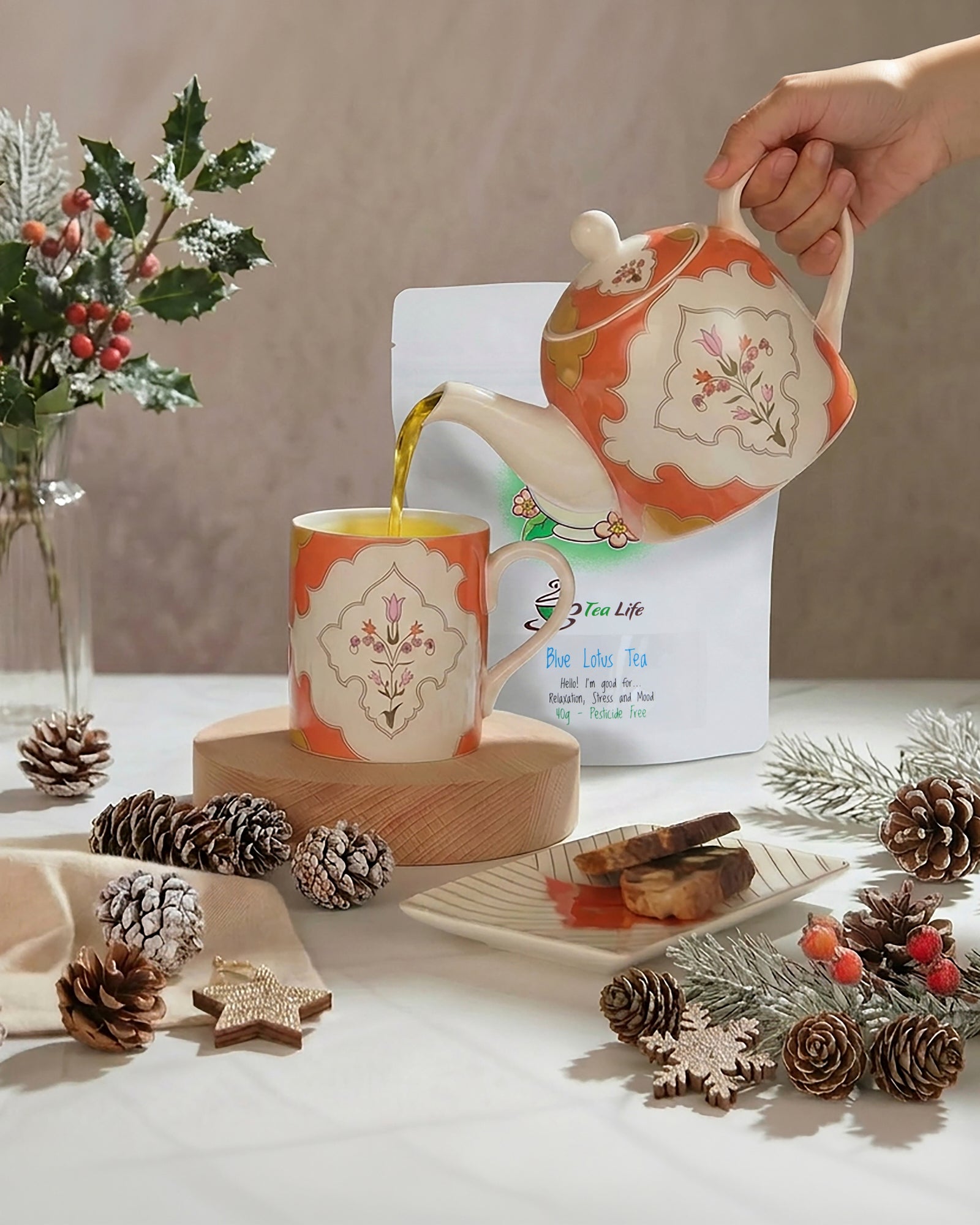
Warm up Your Winter with Purpose-Brewed Tea
Winter in Australia might be milder than in some parts of the world, but it still bites. Cold mornings, dark evenings, more time indoors and that slow, heavy feeling all seem to arrive at once. Sniffles, scratchy throats and comfort cravings follow quickly behind.
That is where a proper winter wellness tea comes in. People usually mean a tea that is warming, soothing, kind to the tummy, gentle enough for daily drinking and designed to support general wellbeing. This guide explains what really makes a tea a true winter wellness tea in Australia, how to choose blends that suit you, and simple ways to drink them safely and usefully every day.

What Really Makes a Tea a Winter Wellness Tea
“Winter wellness tea” is not a medical term. It is a handy way to talk about teas that support comfort, hydration and general balance when the weather is cool and the air is dry.
A true winter wellness tea usually includes:
1. Warming Herbs and Spices, for cosy inner warmth
- Ginger, cinnamon or cloves that create a gentle heating sensation.
2. Soothing Ingredients, for throat, chest and digestion comfort
- Liquorice root, marshmallow root, peppermint or fennel to calm the throat, chest or digestion.
3. Botanicals Traditionally Used for Immune Support
- Echinacea, elderberry and rosehip are commonly used, with the clear understanding that they are not cures or guarantees.
4. Clean, Pesticide-Free Ingredients
- High-quality sourcing so you are not adding extra load to a body that is already working hard.
Is Any Tea Good for Winter?
Plain black or green tea is comforting, hydrating and familiar, so it is still a good choice.
- Black tea: A strong cup can be lovely on a cold morning.
- Green tea: Offers a lighter feel with some gentle lift.
Purpose-blended herbal winter wellness teas are different. They are typically:
- Caffeine-free or lower in caffeine for all-day sipping.
- Built around herbs that target common winter concerns like throat tickles, chest heaviness or sluggish digestion.
- Richer in spices and roots that benefit from long, hot infusions.
In summary:
1. Everyday tea is excellent for comfort and routine.
2. Winter wellness blends are better when you want more targeted support and gentler, all-day drinking.
Key Winter Wellness Tea Ingredients Explained
Some ingredients appear again and again in winter blends. Here is what they are commonly used for, in simple, factual terms.
- Ginger: Brings a strong, cosy warmth and is often used to help with nausea and general digestive discomfort.
- Cinnamon: Aromatic and sweet‑spicy, it works well with black tea, rooibos or herbal bases.
- Liquorice Root: Naturally sweet and smoothing on the throat. It is best avoided in high amounts by people who need to watch their blood pressure.
- Echinacea: Traditionally used to support the immune system. Research results are mixed, so it is best seen as gentle support, not a treatment.
- Elderberry and Rosehip: Contain natural antioxidants and are used in many winter blends, often adding a slight fruity tang.
- Peppermint and Spearmint: Fresh and cooling on the tongue, commonly used to ease a heavy feeling after meals and to clear the palate.
Quick Q&A: Common Winter Tea Questions
1. Which Teas Are Best for a Sore Throat in Winter?
- Teas with liquorice root, marshmallow root or other slippery, mellow herbs, with a bit of honey added at home, often feel soothing.
- Gentle peppermint or chamomile blends can also calm the throat area for many people.
2. Which Herbs Are Considered Warming Versus Cooling?
- Warming: ginger, cinnamon, clove, cardamom.
- Cooling: peppermint, spearmint; some floral herbs like chamomile feel cooling or neutral.
3. Can Children Drink Winter Wellness Teas?
- Often, yes, in mild forms.
- Choose gentle herbs like chamomile, rooibos, rosehip or a small amount of peppermint.
- Avoid strong spices or high liquorice for little ones.
- Always check with a health professional if a child has a health condition, is on medicine or you are unsure.
Quality matters. Whole or large‑cut leaves and herbs, natural ingredients and products that are packed in Australia help support freshness and traceability.
How Winter Wellness Teas Support Your Health
Winter wellness teas play a supportive, realistic role. They are not medicines, but they can contribute to winter comfort and general wellbeing.
They can help with:
1. Hydration
- Warm cups keep fluid intake up, which helps keep the mouth, nose and throat moist.
- That moisture is one part of your body’s normal barrier system.
2. Comfort and Symptoms
- Steam and warmth may ease a sense of congestion.
- Herbs like ginger, peppermint and liquorice may take the edge off cough, tummy upset or throat irritation for some people.
3. Daily Rituals and Stress
- Calming herbs such as chamomile, lemon balm and passionflower are often used before bed.
- Better rest helps support normal immune function as part of a healthy lifestyle.
Q&A: Warming Teas and Immunity
1. Do Winter Wellness Teas Boost Immunity?
- They may help support normal immune function as part of a healthy lifestyle, mainly through hydration, comfort and stress support.
- They are not a cure, treatment or vaccine, and they should not replace medical care.
2. Which Warming Teas Are Most Associated with Immune Support?
- Ginger‑based blends with cinnamon and clove are popular for warmth and circulation.
- Herbal blends that include echinacea, elderberry or rosehip are commonly chosen for general immune support.
- Evidence for individual herbs varies, so they are best viewed as supportive rather than as proven treatments.
3. Can Tea Prevent You From Getting Sick?
- Tea alone cannot stop illness.
- Good sleep, a balanced diet, regular movement and hygiene remain the main pillars.
- Tea fits in as a gentle, enjoyable habit that supports those efforts.
4. How Many Cups a Day Is Usually Safe?
- Many people enjoy 2 to 4 cups of herbal tea a day.
- Monitor your total caffeine if you include black or green tea.
- Be cautious with liquorice root, strong spices or any herb that has special advice in pregnancy or with medicines.
- When in doubt, check with a health professional.
In Australian winters, heaters and air conditioning can dry the air. Warm herbal teas are a simple way to balance that dryness while still feeling cosy.
How to Brew a Better Winter Wellness Tea
Good brewing brings out both flavour and plant components.
Basic Brewing Guide
1. Herbal Blends
- Use water just off the boil.
- Steep for 5 to 10 minutes.
- Roots and spices benefit from longer times.
2. Black Tea Bases
- Use boiling water.
- Steep for 3 to 5 minutes so it does not get too bitter.
3. Green Tea Bases
- Use slightly cooler water, about a minute off the boil.
- Steep for 2 to 3 minutes.
Leaf‑to‑Water Ratio
- Start with about one heaped teaspoon of tea per cup.
- Adjust to taste based on strength and personal preference.
Common Brewing Questions
- Should I Cover My Cup While Steeping? Yes. It helps keep the heat in and traps some aromatic oils that might otherwise drift off with the steam.
- Can I Add Honey, Lemon or Milk? Honey and lemon are classic partners for throat comfort. Milk suits black tea or rooibos chai‑style blends more than delicate herbal or citrus blends.
- Can I Re‑steep My Winter Wellness Tea? Many blends re‑steep well, especially those with whole leaves. The second brew is often softer and lighter in taste but still pleasant.
Easy Brewing Upgrades
- Use a teapot, infuser or thermos so you can sip through the day.
- Make a stronger herbal brew, then top with warm milk or plant milk to create a caffeine‑free winter latte.
How to Build Your Winter Tea Wellness Routine in Australia
A simple plan makes winter wellness tea part of everyday life during Australian winters.
Suggested Daily Routine
1. Morning
- A gentle black or green tea with ginger or cinnamon to wake up and warm the body.
2. Workday
- Caffeine‑free blends with herbs like peppermint, fennel or light florals to stay hydrated without jitters.
3. Evening
-
Calming teas with chamomile, lemon balm or passionflower, sometimes mixed with throat‑soothing roots, to help you unwind.
Sample “Winter Wellness Tea Day”
- After a chilly commute: Ginger and lemon blend to bring back warmth.
- Mid‑afternoon: A soft rooibos or rosehip blend to support energy and comfort.
- After a heavier dinner: Peppermint or spearmint to freshen and support digestion.
- Before bed: A warm cup of chamomile‑based tea, sipped slowly, screens away, lights low.
Adjusting for Different Australian Climates
- Cooler Southern States (Victoria, Tasmania, South Australia and alpine areas of New South Wales), often suit spicier, richer blends with ginger, cinnamon and cloves.
- Warmer or More Humid Regions (Queensland or northern Western Australia), often feel better with lighter, citrus or mint‑forward blends that still support wellness without feeling heavy.
Clear Product Categorisation for Winter Wellness Teas
When choosing winter wellness teas in Australia, it helps to think in clear categories:
1. Immune-support Style Blends
- Typically include herbs such as echinacea, elderberry, rosehip, ginger or turmeric.
- Designed for general seasonal support, not as medical treatments.
2. Throat and Chest Teas
- Often feature liquorice root, marshmallow root, slippery elm (where available), peppermint or anise.
- Aimed at soothing the throat and easing chest discomfort.
3. Digestion Teas
- Common ingredients include peppermint, spearmint, fennel, ginger and chamomile.
- Used after meals to ease fullness and support comfortable digestion.
4. Calming and Sleep Teas
- Usually based on chamomile, lemon balm, passionflower or lavender.
- Intended to support relaxation and better sleep routines.
5. Caffeine‑free Comfort Blends
- Rooibos, hibiscus, rosehip and spice blends for evening or all‑day sipping without caffeine.
How to Choose the Right Winter Wellness Tea with Confidence
Before adding a tea to your winter routine, check a few key points:
1. Ingredient Transparency
- Look for a clear ingredient list with herbs you recognise.
2. Quality and Sourcing
- Focus on natural, pesticide‑free sourcing where possible.
- Products packed in Australia can support freshness, quality control and traceability.
3. Caffeine Level
- Match caffeine content to your day: stronger, caffeinated teas in the morning; caffeine‑free in the evening.
4. Personal Health Needs
- Consider pregnancy, blood pressure, medication use, allergies and any other medical conditions.
- Seek advice from a qualified health professional if unsure.
Building a Small “Winter Tea Shelf”
Many Australians find it useful to keep a small, clearly organised winter tea collection, such as:
- One everyday black or green tea for comfort and habit.
- One immune‑support style herbal blend for general winter backing.
- One throat or digestion‑soothing tea for those rough days.
- One calming sleep blend for night‑time wind‑down.
By choosing high‑quality, clearly labelled blends and using them as part of a broader healthy lifestyle, you can treat your winter tea ritual as a gentle, enjoyable support for your wellbeing, rather than a quick fix. That approach helps you select each cup with real confidence and makes this guide a practical reference for winter wellness teas in Australia.
Support Your Winter Wellness Naturally Today
Stay ahead of the chill this season with our carefully crafted blends designed to support your immune system. Explore our curated winter wellness tea range and choose the brews that best suit your daily routine. At Tea Life™ we focus on quality ingredients so you can feel confident about what is in your cup. If you have any questions about which blend is right for you, simply contact us.
Share:
Tea Life Winter Sale 2026: Warming Herbal Teas for the Colder Months
Managing Winter Inflammation Naturally with Herbal Tea