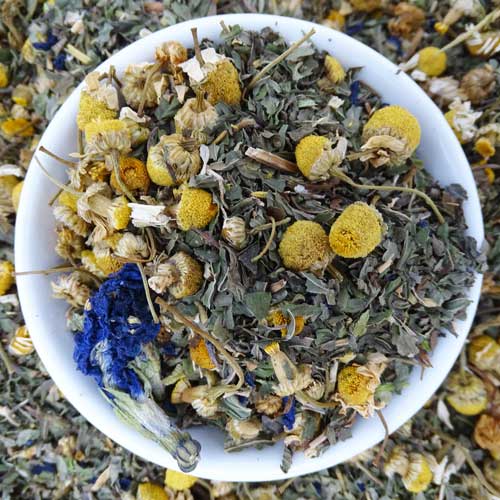
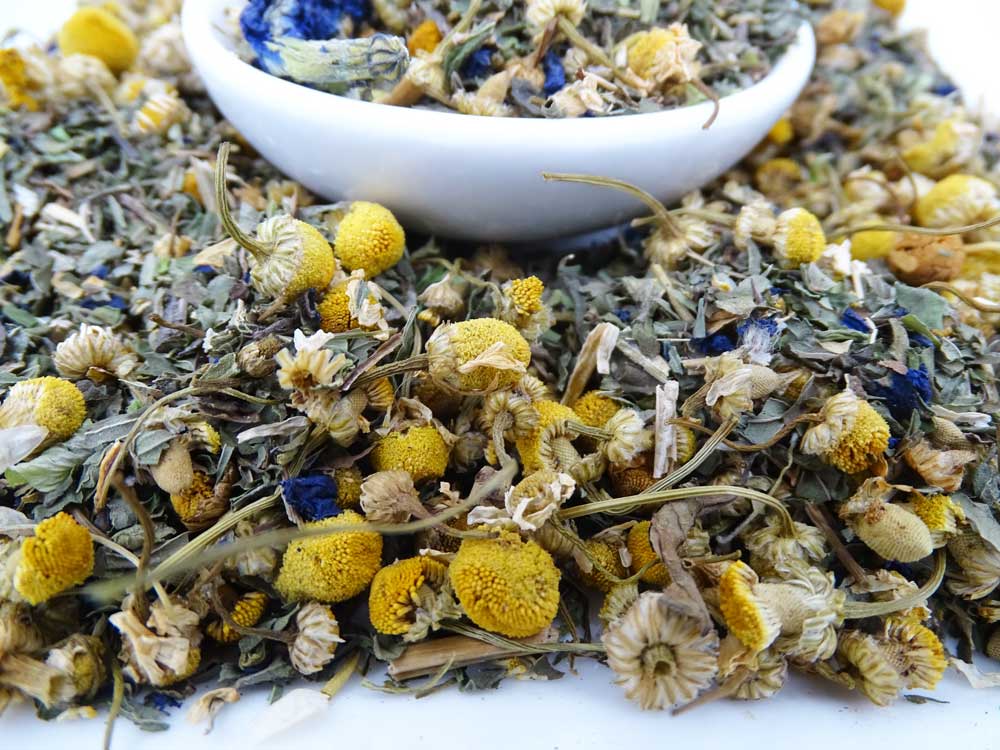
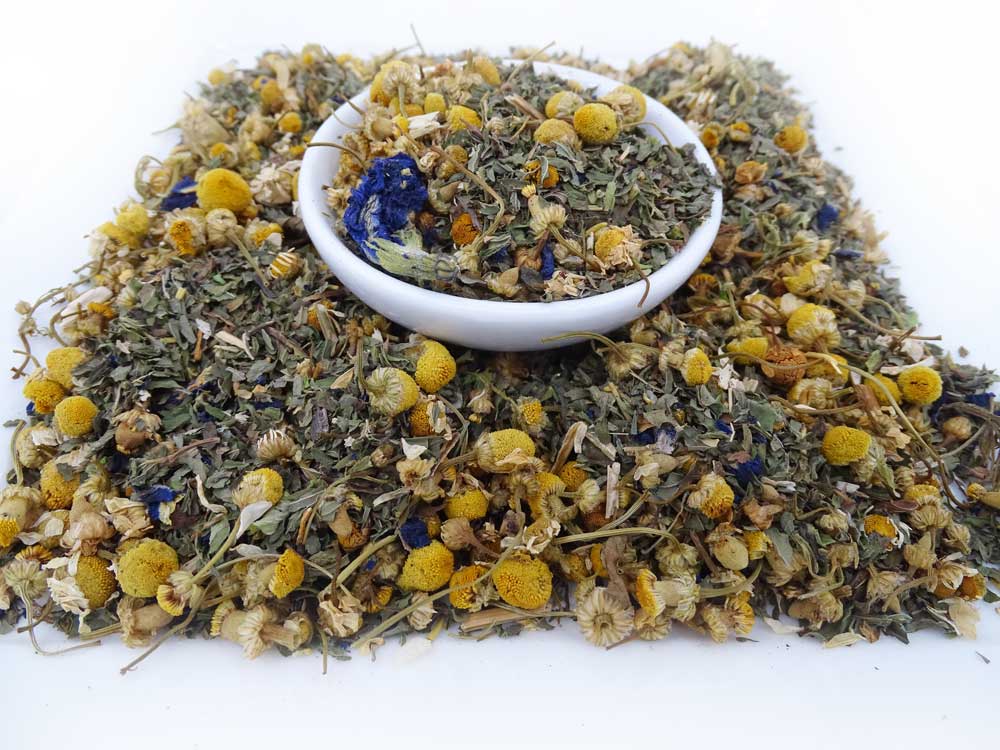
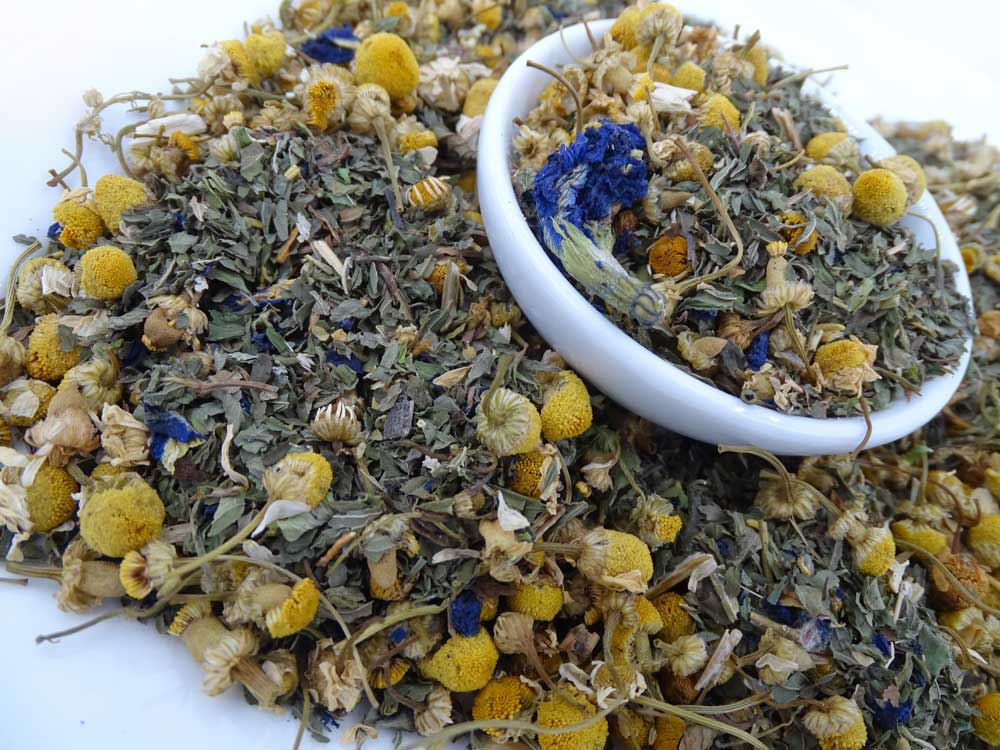
Chamomile & sleep quality: Clinical evidence (including a postpartum RCT) suggests chamomile tea can modestly improve sleep quality in the short term; a recent systematic review concludes effects are small but supportive for relaxation and sleep hygiene. National Cheng Kung UniversityScienceDirect
Passionflower for subjective sleep: A double-blind, placebo-controlled trial of Passiflora incarnata herbal tea reported improved subjective sleep quality in healthy adults over one week. Monash ResearchMiloa Academy
Lemon balm (Melissa) & mood/sleep complaints: Randomised trials and reviews indicate Melissa officinalis can reduce anxiety and insomnia severity in certain groups, aligning with its traditional calmative use. BioMed CentralScienceDirect
Digestive ease to aid wind-down: Peppermint’s antispasmodic action is supported for functional gut discomfort (not specific to tea; mostly enteric-coated oil trials), which some find helpful after the evening meal. BioMed Central
Thyme & respiratory comfort (traditional): EMA monographs recognise thyme herb preparations for traditional use in mild cough/bronchial irritation—useful when a soothing, warm cup aids bedtime comfort. European Medicines Agency (EMA)+1
Blue peaflower antioxidants: A crossover human study found a Clitoria ternatea beverage increased antioxidant capacity and favourably affected postprandial glycaemia; not a sleep effect, but supportive of the blend’s gentle wellness profile. BioMed CentralMahidol University