
Login

Taste Profile

- Flavour: Expect earthy, woody, and herbal with citrus or eucalyptus notes.
- Aroma: It may be fresh, resinous and lightly lemony.
- Body: Expected to be light and medium.
- Finish: May be clean, herbal, and slightly woody.

Those are expected characteristics based on the aromatic compounds of the plant. Actual flavour should be confirmed by sensory testing of the supplied batch.

Common Questions

So what is Saltwater Paperbark Tea?
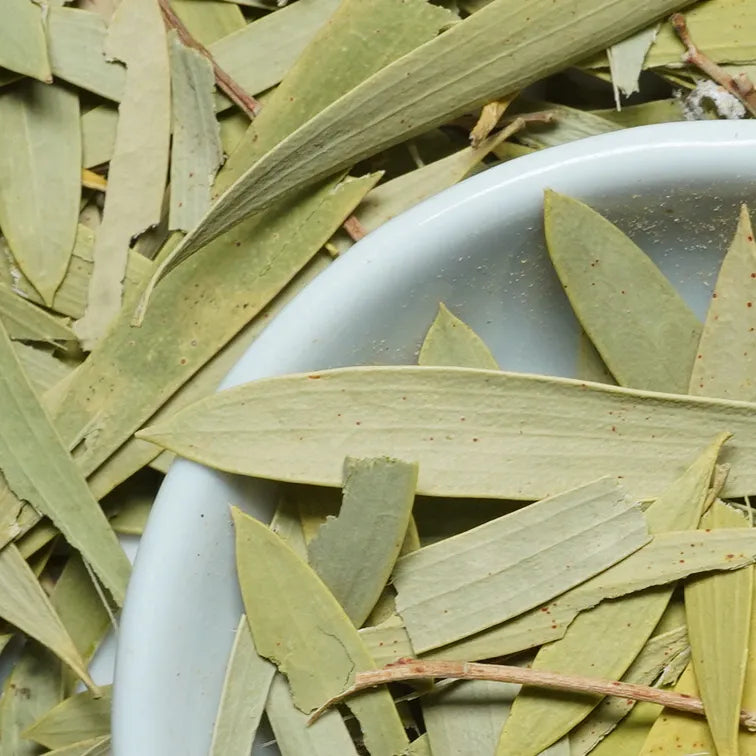
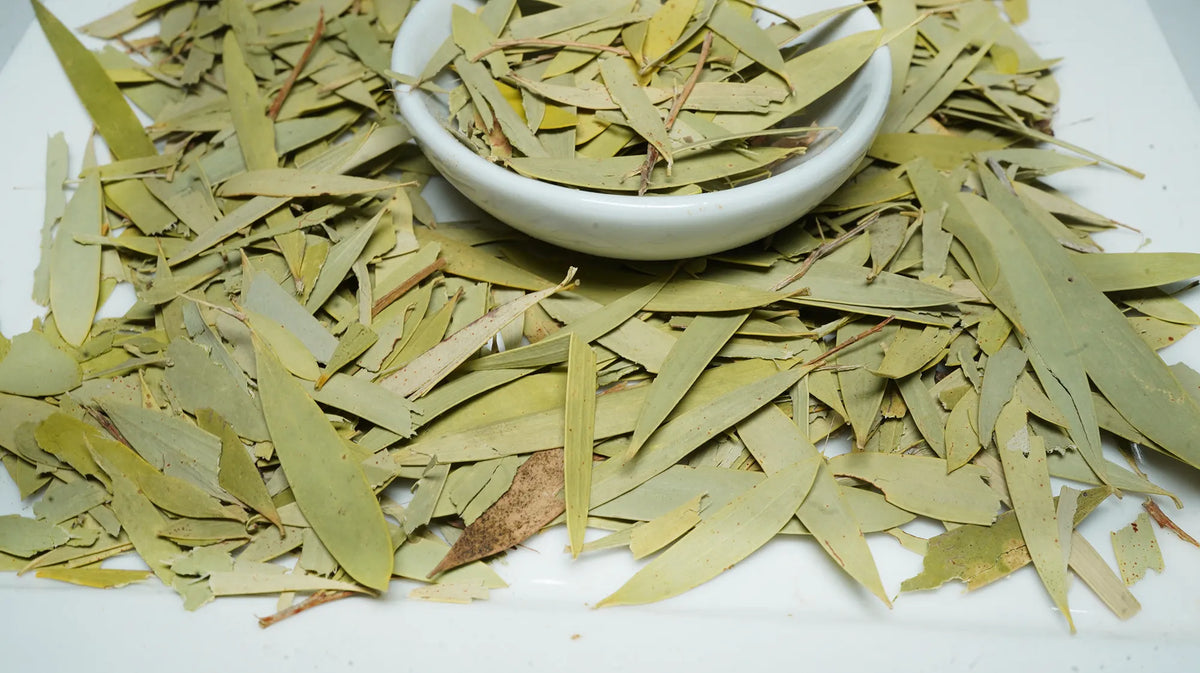
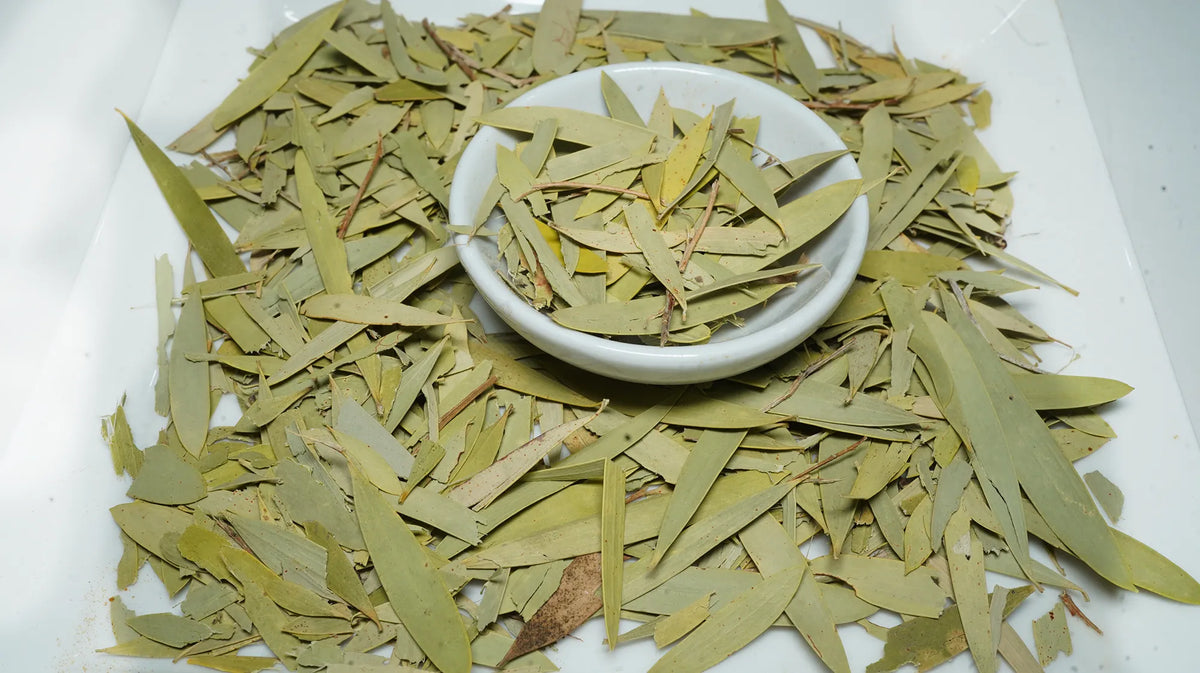
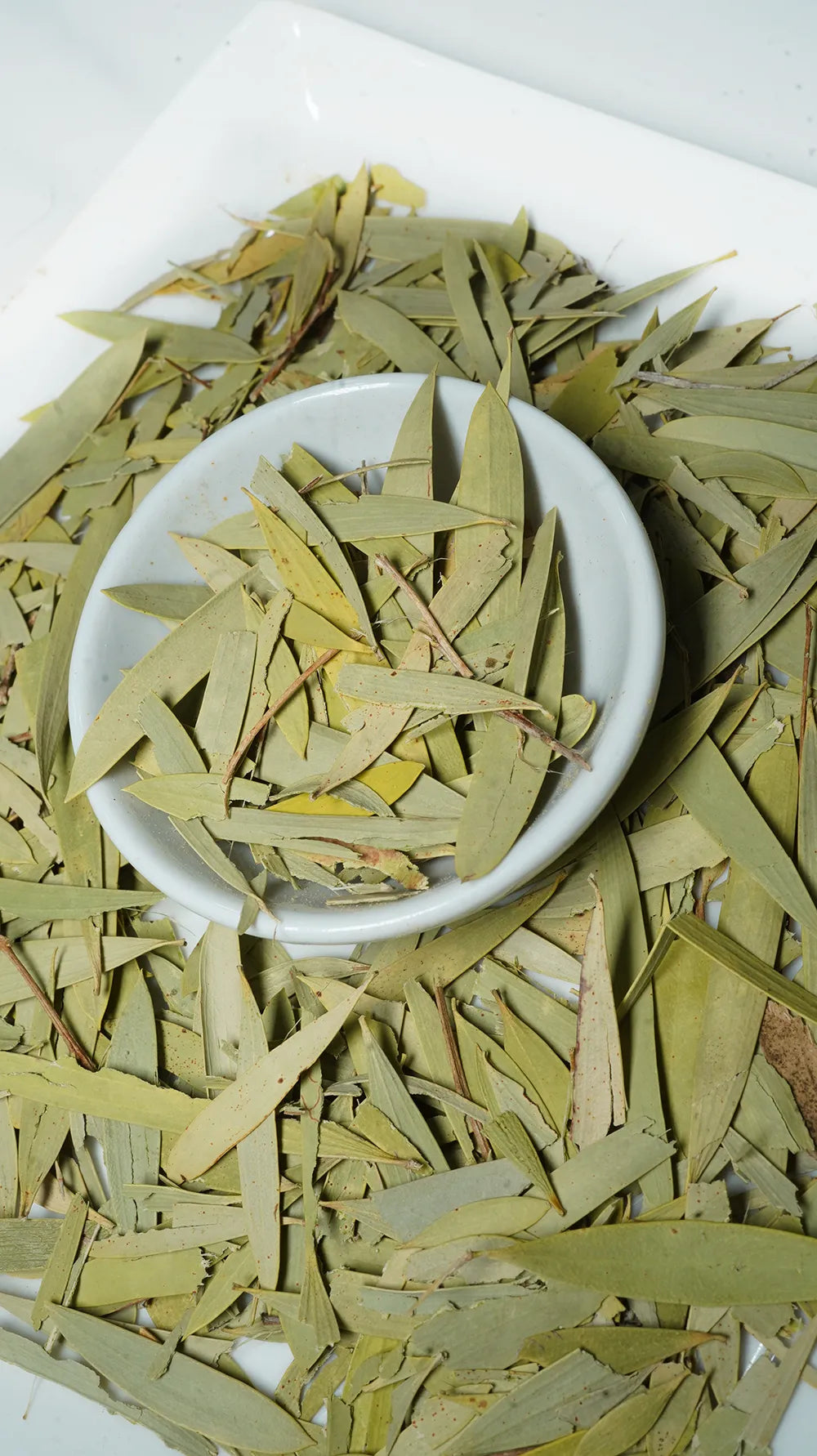
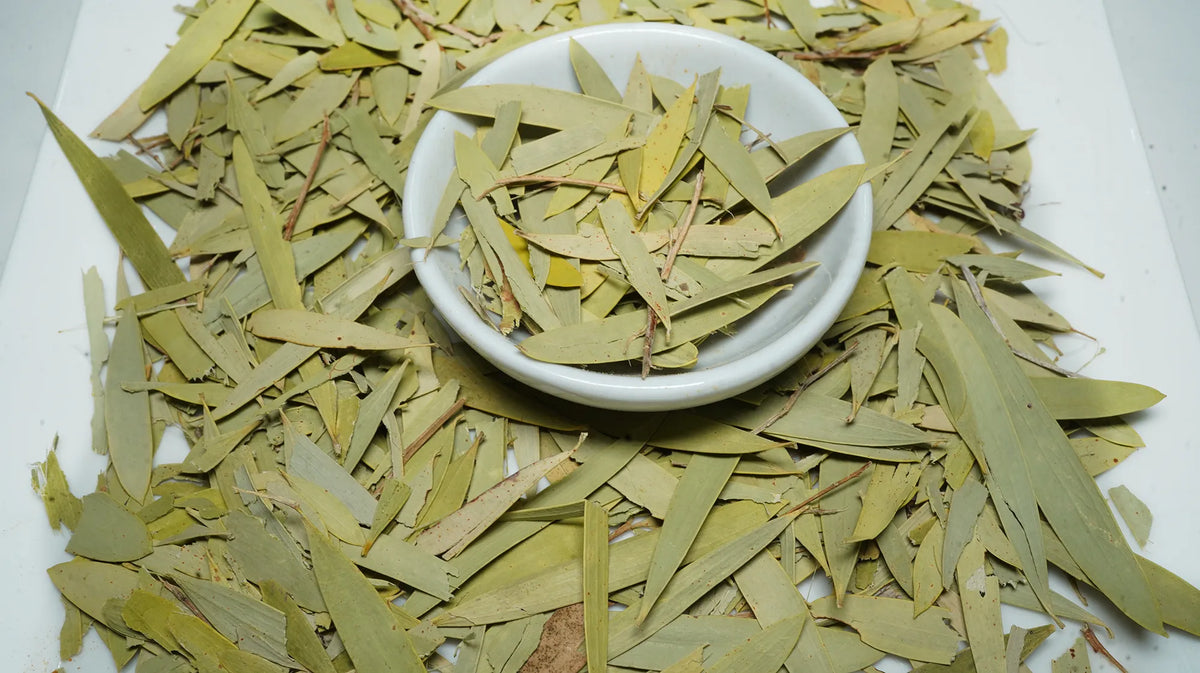
The leaves of Melaleuca alsophila are used in saltwater paperbark tea, a native Australian shrub or small tree in the Myrtaceae family.

Is saltwater paperbark indigenous to Australia?
Yes. Saltwater paperbark grows in northern Western Australia, particularly in the Kimberley and nearby areas. It grows in coastal areas, wetlands and areas with seasonally wet or saline soils.

Does Saltwater Paperbark have caffeine?
No. This saltwater Paperbark contains no caffeine because it lacks leaves from the traditional tea plant Camellia sinensis.

Is saltwater paperbark the same as tea tree?
No. Although both are in the Melaleuca genus, Saltwater Paperbark (Melaleuca alsophila) is a different species from Melaleuca alternifolia, the species used to make tea tree essential oil.

Was Saltwater Paperbark used by Indigenous Australians?
There are written records of Aboriginal people using saltwater paperbark for practical and traditional purposes, including preparations from its leaves. Nevertheless, these historical uses do not establish regular consumption safety or effectiveness.

Why is Saltwater Paperbark unique?
Its aromatic leaf oils differ considerably between plants. Some contain cineole and others contain naturally occurring lemon-scented compounds.