
Tea Recipes and Journal

Coffee Fruit Tea - Ancient, Traditional, and Modern Benefits
Coffee fruit tea, an alternative to the regular coffee has lower caffeine. Some people want to regulate their caffeine intake yet still enjoy its benefits. The following are what users can get from drinking this relaxing and delicious tea...
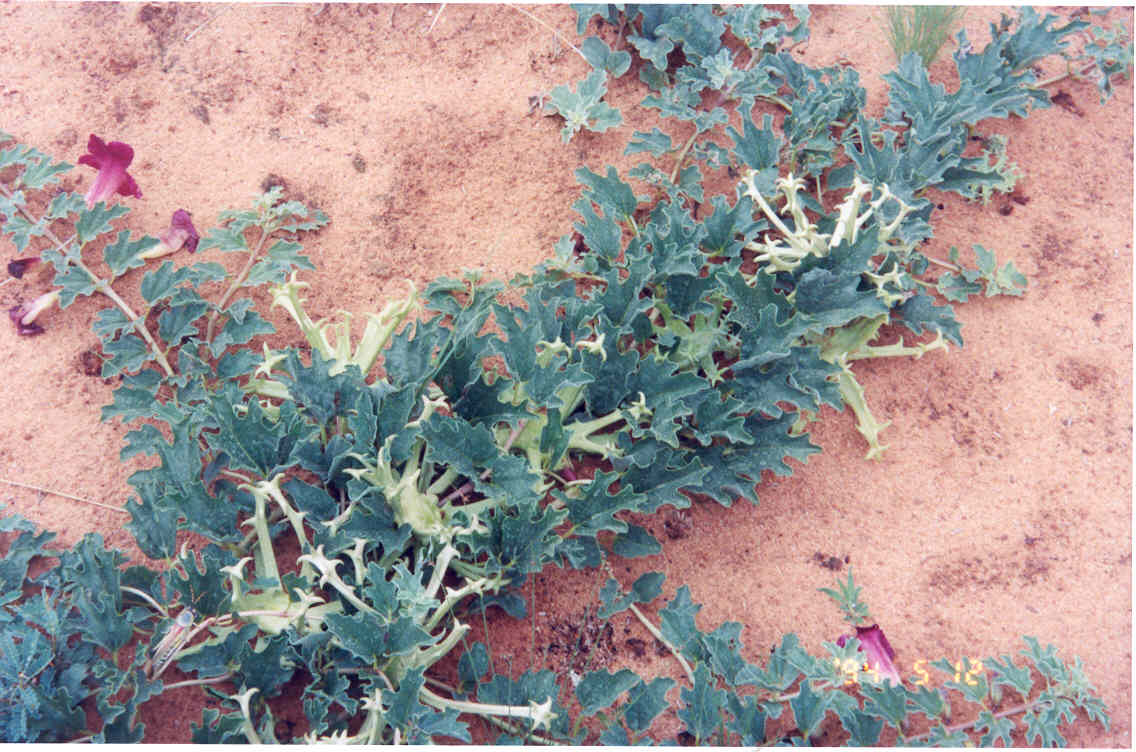
Devils Claw Tea - Ancient, Traditional, and Modern Benefits
Harpagophytum procumbens, also called devil’s claw, grapple plant, and wood spider is a sprawling plant which produces claw-like hooked fruits from where it got one of its names and has been used as a tea since ancient times to reduce pain.

Butchers Broom - Ancient, Traditional, and Modern Benefits
Ruscus aculeatus or butcher’s broom, is a low evergreen shrub that is native to Eurasia and some parts of northern Africa. This plant which belongs to the Asparagaceae family usually grows up to 50 to 80 cm.
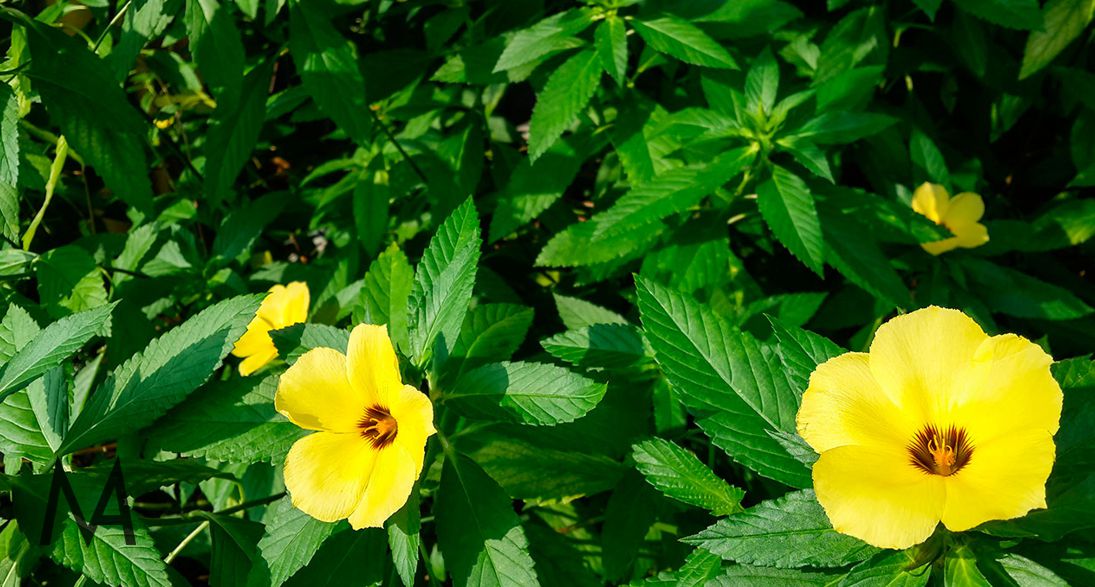
Damiana Tea - Ancient, Traditional, and Modern Benefits
Damiana is a perfect healing herb for women because of its antispasmodic properties which are helpful for easing cramps. Its stress-reducing nature can help manage mood swings naturally and help relieve the anxiety that many women may experience as one of the symptoms of PMS.
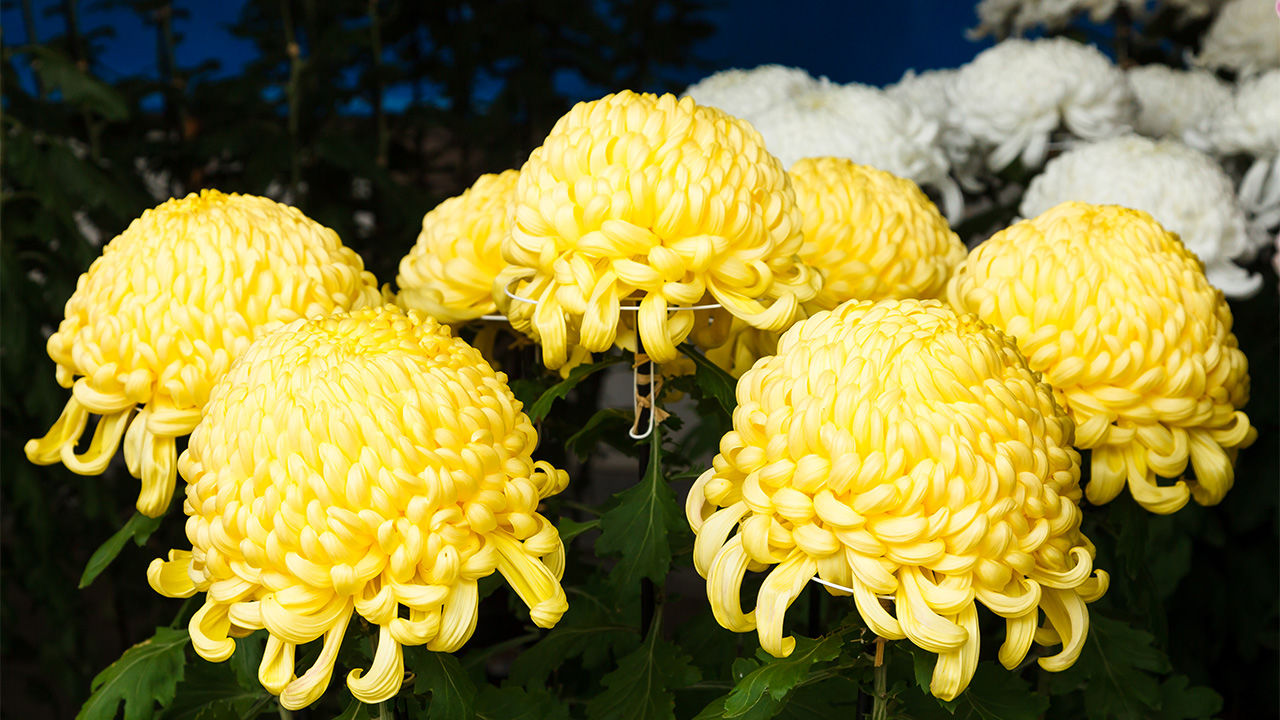
Chrysanthemum Tea - Ancient, Traditional, and Modern Benefits
Chrysanthemums, also known as mums or chrysanths are flowering plants that belong to the family Asteraceae (aster, daisy or sunflower family). Chrysanthemum tea is a good source of vitamins, minerals, and powerful antioxidants. These ornamental plants are not only valued for their beauty but also for their health benefits.
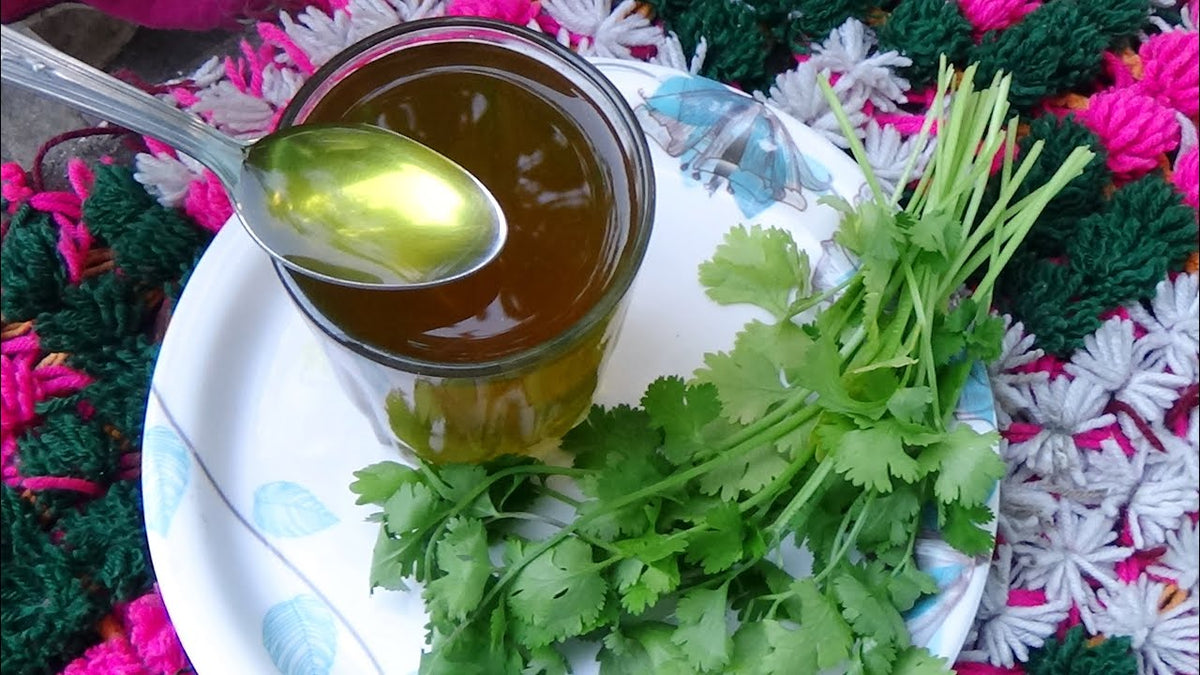
Coriander Tea - Ancient, Traditional, and Modern Benefits
Coriander which was mentioned in the Bible is considered as one of the oldest herbs and spices on record. Coriander Tea is a good source of antioxidants, protein, manganese, magnesium, iron, and dietary fiber, coriander is more than a spice that is used to flavor food; it is a medicinal plant that can keep the body healthy and strong.
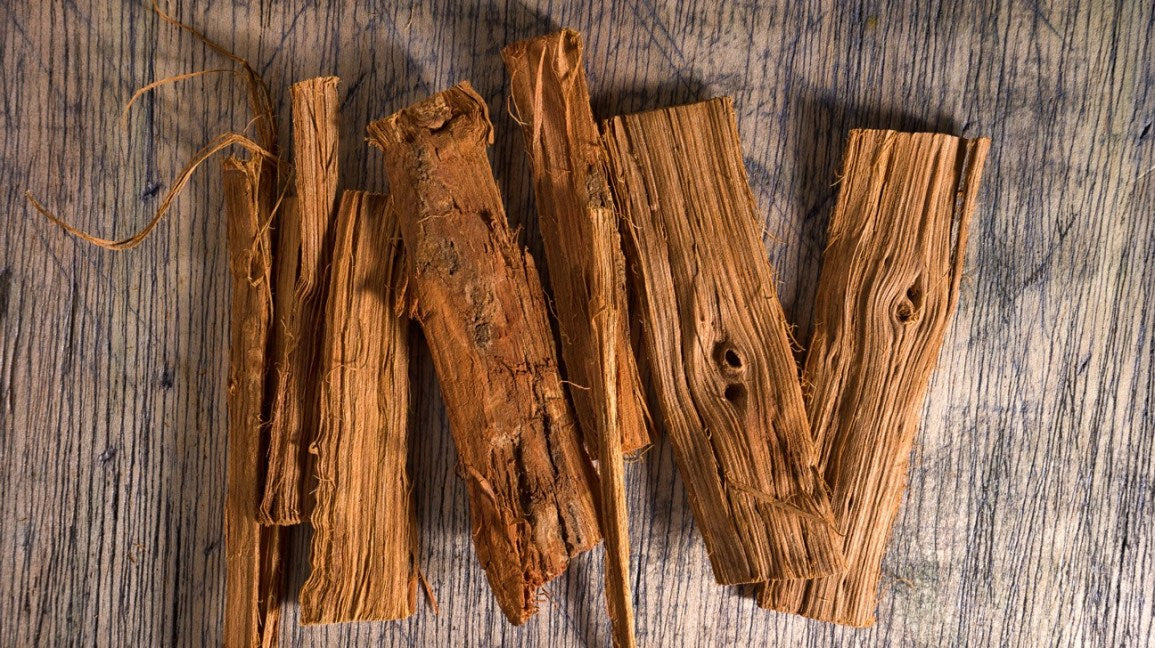
Cats Claw Tea - Ancient, Traditional, and Modern Benefits
Cat’s claw is an anti-inflammatory plant that can strengthen the immune system and improve digestive health. Comsuming Cats Claw Tea may provide benefits such as arthritis reduction and dna repair. The cat’s claw plant of the Uncaria species has a long history in South America as a medicinal vine.
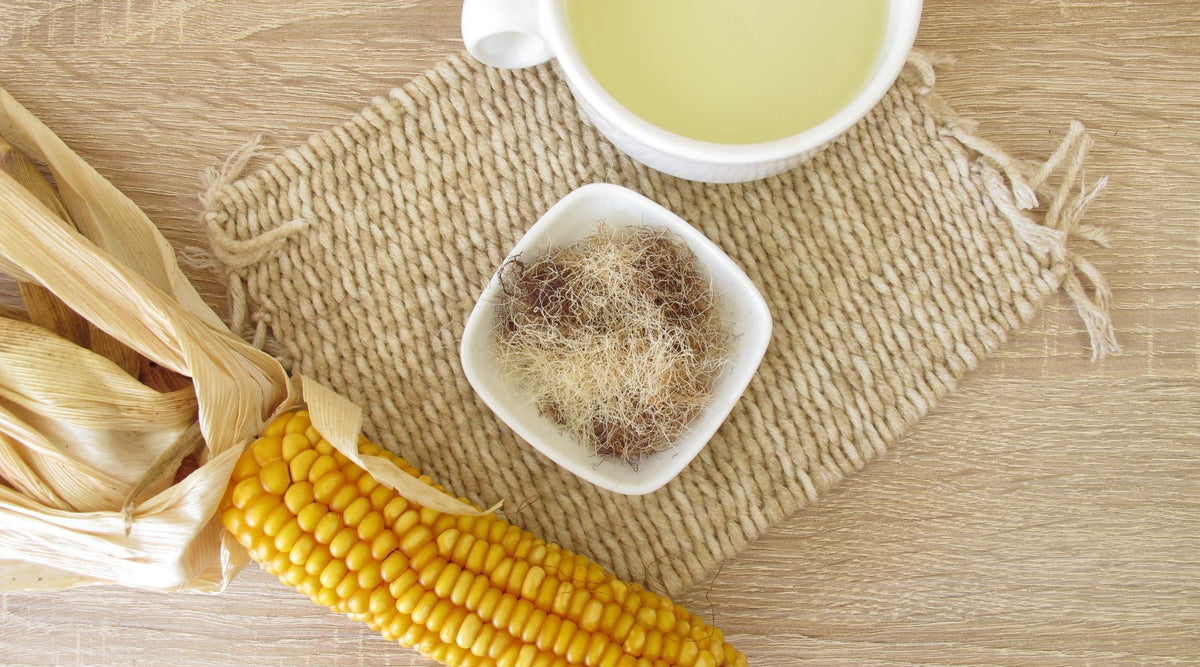
Corn Silk Tea - Ancient, Traditional, and Modern Benefits
Corn silk tea is a source of Stigmasterol and Sitostero, compounds which can prevent heart disease and lower cholesterol. Other benefits of this tea include Kidney health, blood sugar regulation and blood pressure regulation.
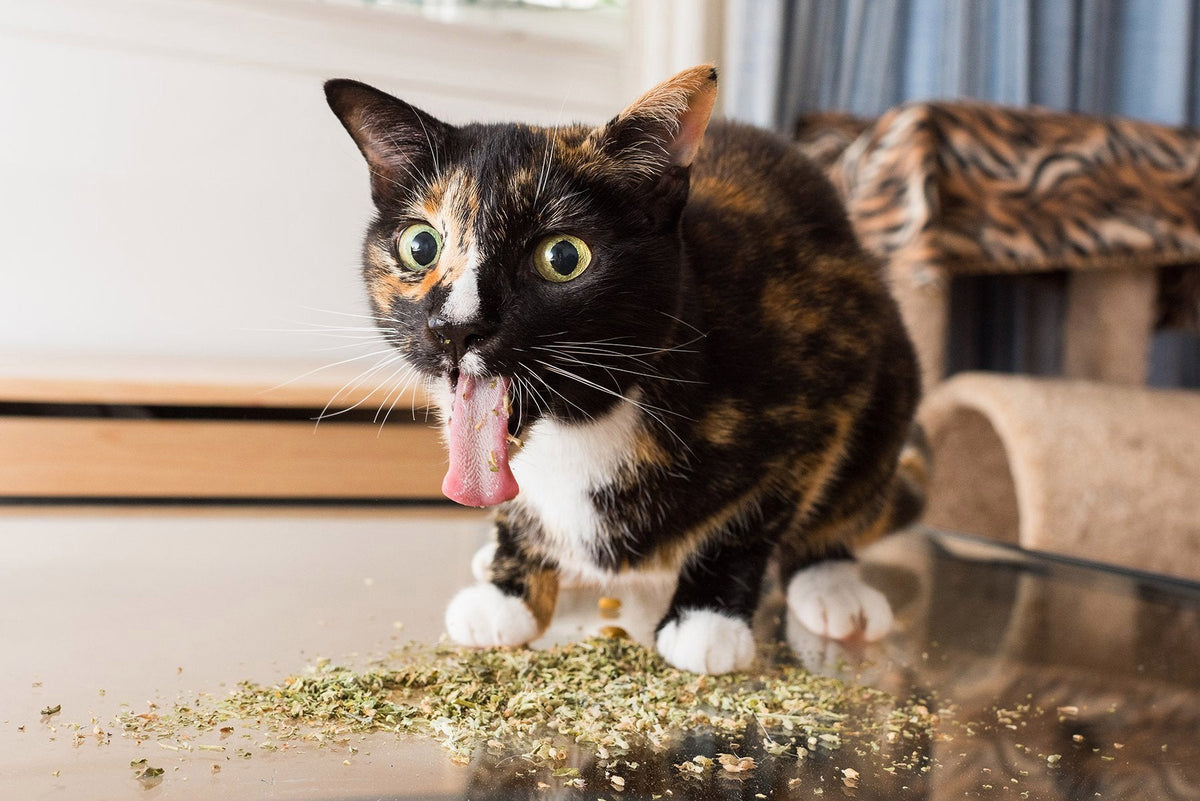
Catnip Tea - Ancient, Traditional, and Modern Benefits
Nepactalone, which is a substance that is found in catnip can bring a number of changes to a cat’s behavior which include a feeling of euphoria, calmness, higher food drive, and greater interest in learning. Because of this, some cat owners use this herb to train their cats.